
The Martindale test, developed in the 1940s, is the most widely used international method for assessing a fabric’s resistance to wear caused by abrasion, i.e., friction and minor scratches resulting from continuous use.
During the test, the fabric is subjected to repeated circular movements against an abrasive surface (such as sandpaper or wool). The number of rotations, also called cycles, required until visible signs of wear appear corresponds to the Martindale result. The higher the number of cycles withstood, the greater the fabric’s abrasion resistance.


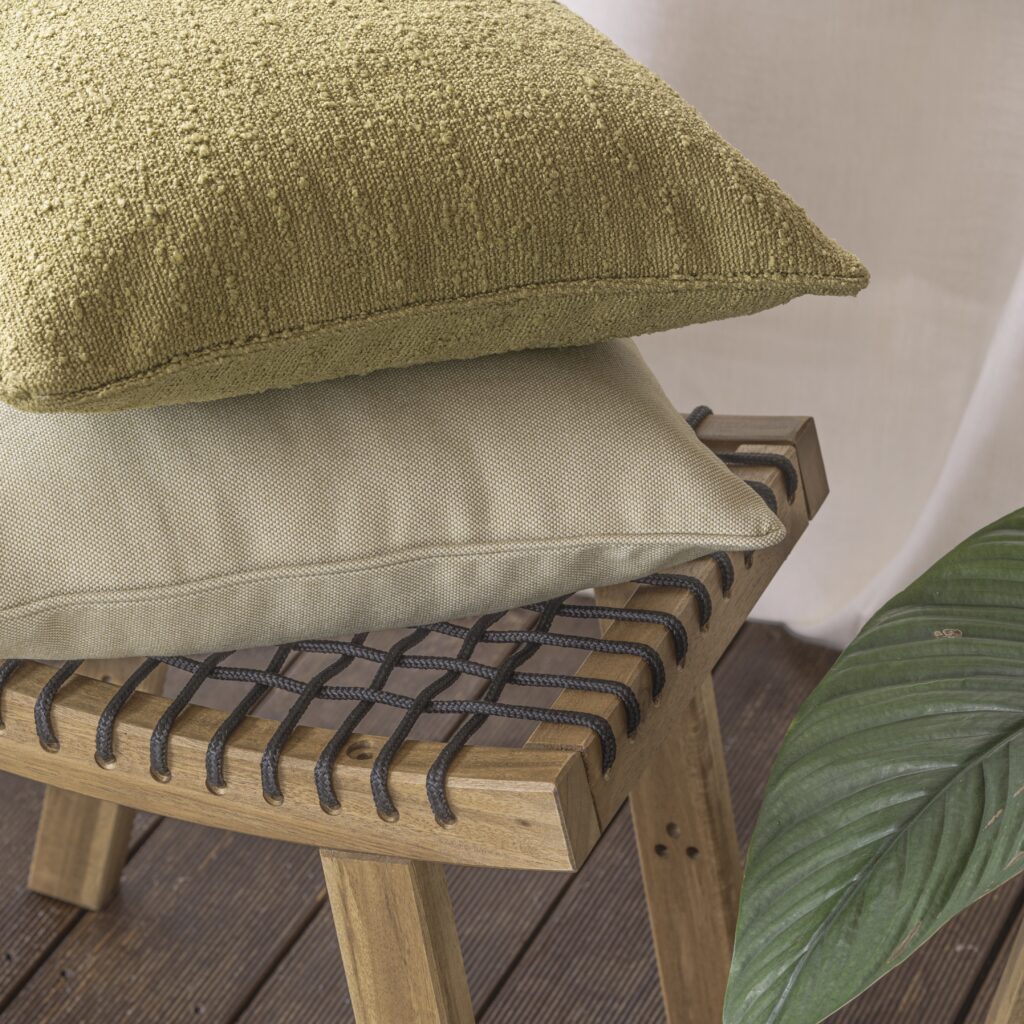
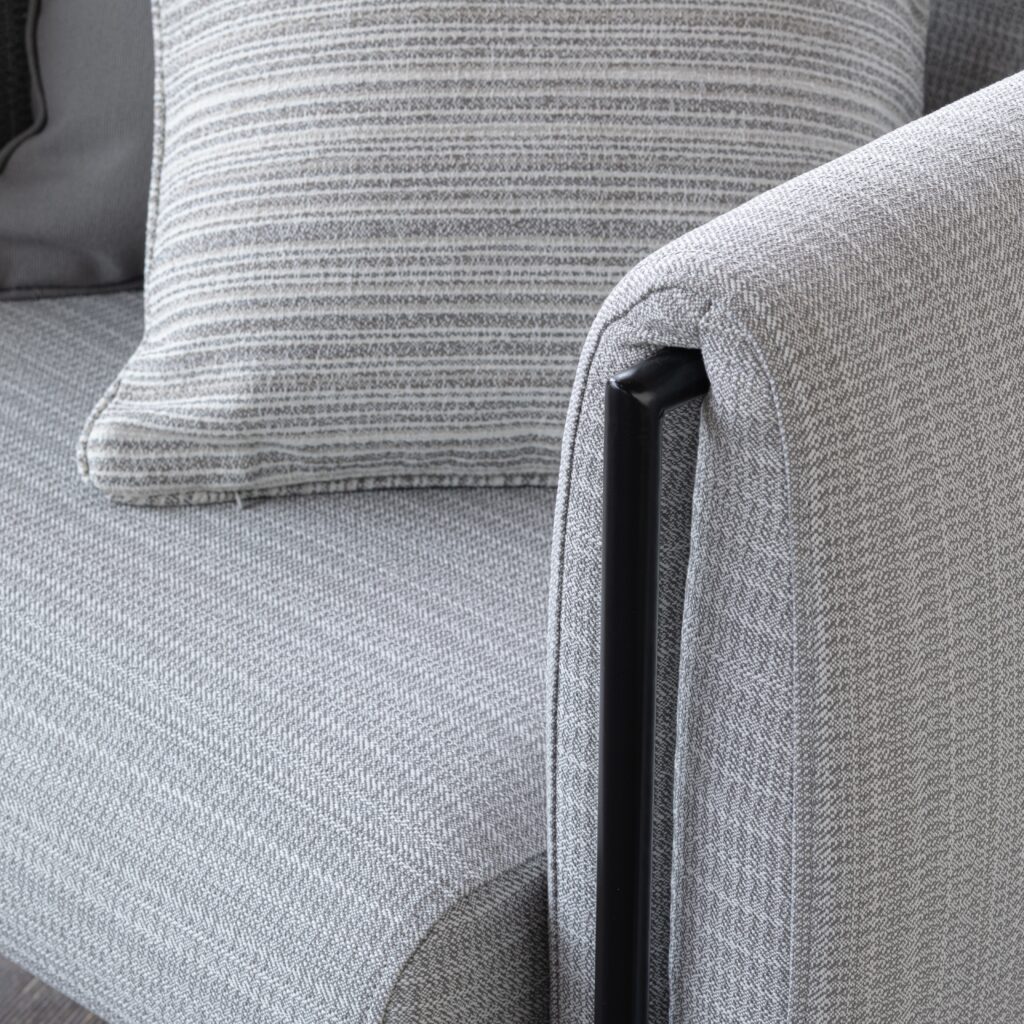
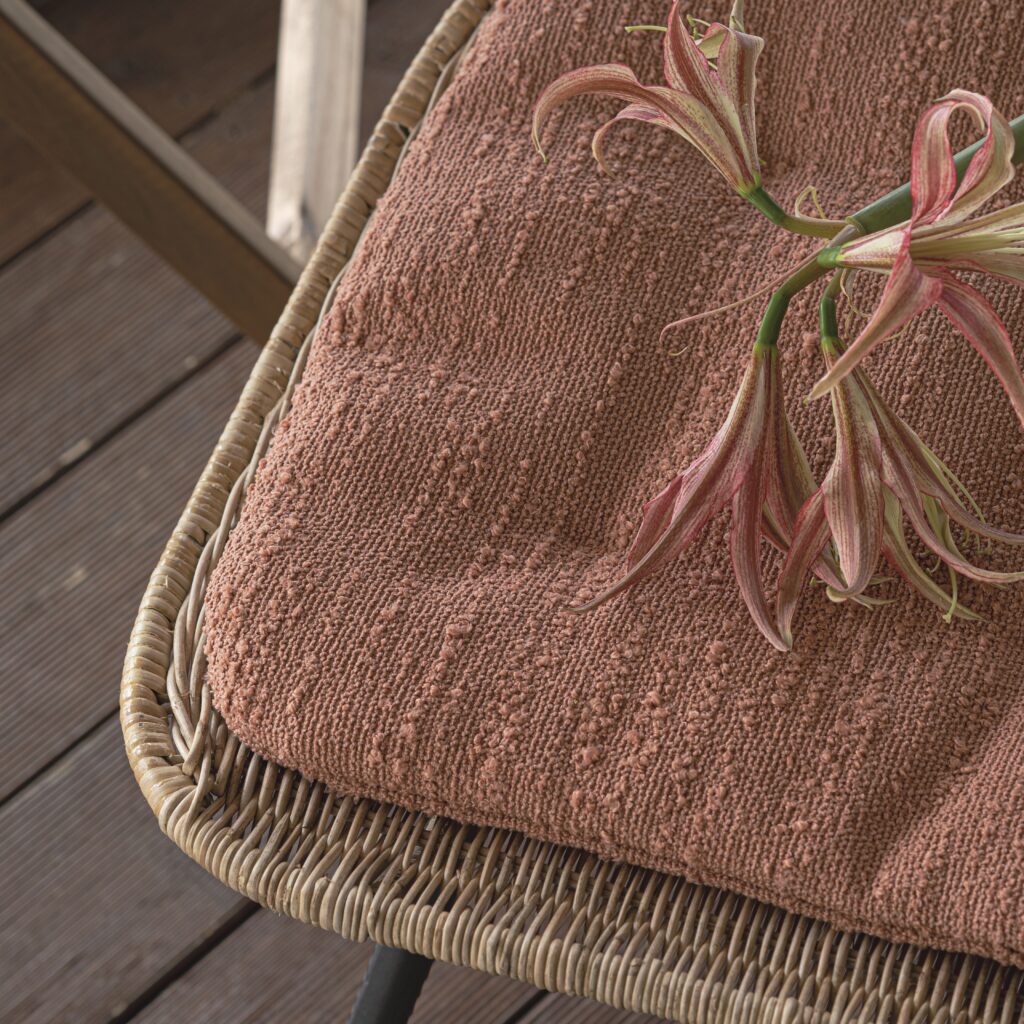
Assess a fabric using multiple criteria
Although a high Martindale value indicates greater robustness, it should not be the sole criterion when choosing a fabric. Longevity and performance depend on several factors, notably:
- Fibre type and composition
- Fabric construction
- Weight
- Pilling test result
- Colour fastness (essential for outdoor fabrics or those with high sun exposure)
It is common to attach too much importance to Martindale. Beyond a higher cycle value, each increase represents an ever less relevant impact on the fabric’s actual durability. Thus, a fabric with 80,000 cycles is not guaranteed to be more resistant than one with 60,000 cycles when applied under the same conditions.
Reference values for interpreting Martindale
Use the ranges below as a general guide to help select the appropriate fabric:
Up to 10,000 cycles
Decorative use
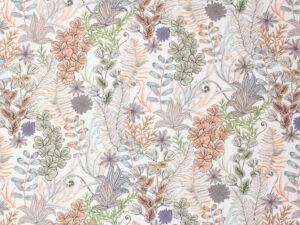
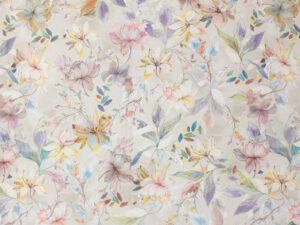
Ideal for cushions, curtains, lampshades or other elements with minimal wear.
10,000 to 20,000 cycles
Occasional use
Recommended for furniture or pieces with occasional use.
20,000 to 40,000 cycles
Moderate daily use
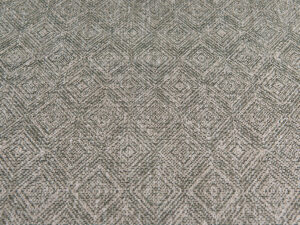
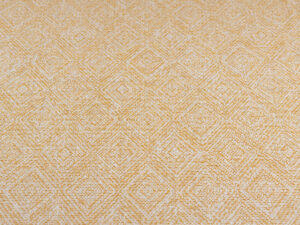
Suitable for daily use, but not for pieces subjected to heavy wear. Suitable, for example, for chairs and poufs.
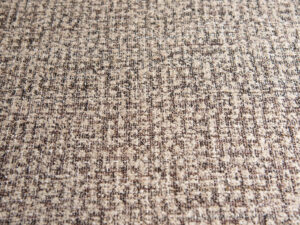
40,000 to 60,000 cycles
Heavy use in residential or light commercial environments
Suitable for any type of residential furniture and for most uses in commercial spaces.









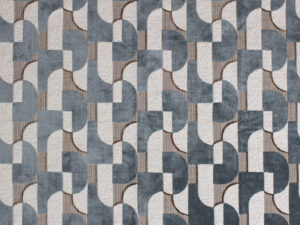
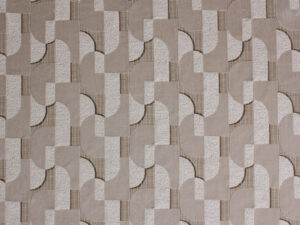
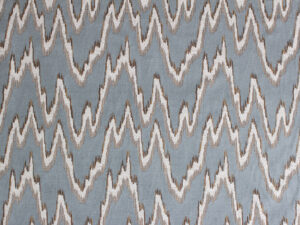
Above 60,000 cycles
Contract | Hospitality | Catering
Considered resistant for any application. Suitable for contract, including hospitality, catering and high-traffic spaces.








In conclusion
The Martindale value is an important tool for assessing a fabric’s resistance, but it should be interpreted alongside other technical parameters and, whenever possible, with the analysis of a physical sample. This combination will enable an informed choice, balancing aesthetics, performance and durability.
